
Understanding the psychological triggers that drive gambling behavior in casinos
The Allure of Risk and Reward
The thrill of gambling often lies in the delicate balance between risk and reward. This interplay creates an exciting atmosphere that can captivate individuals. When players engage with games of chance, they experience anticipation, hoping for a win that could lead to financial gain. Exploring the top 10 online casino australia real money options amplifies this excitement, as the prospect of winning acts as a powerful motivator for continued participation.
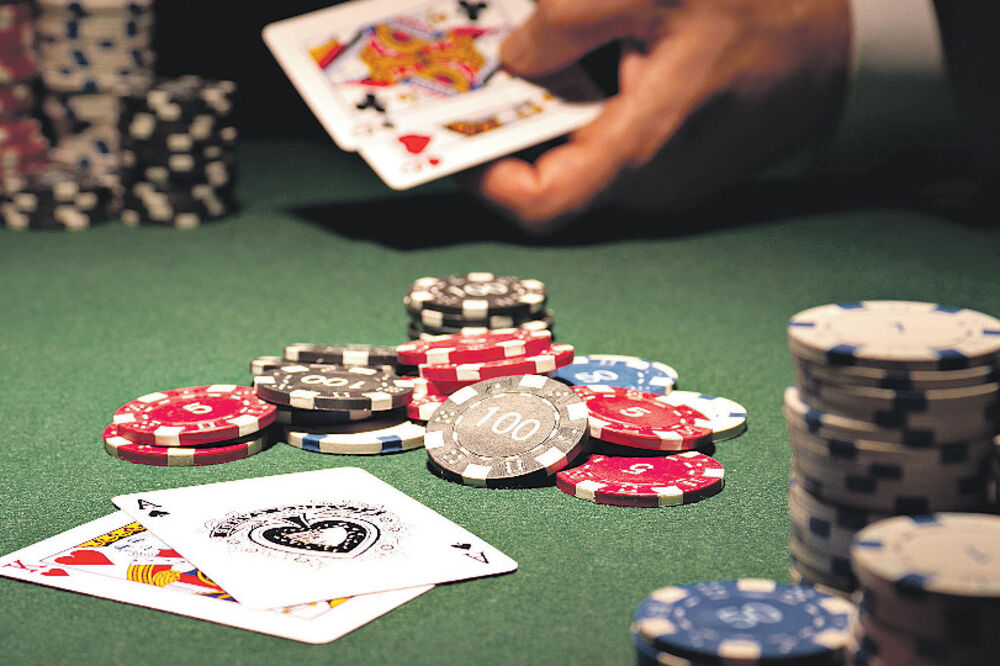
Psychological research indicates that the brain’s reward system is activated during gambling, releasing neurotransmitters like dopamine. This chemical response creates feelings of pleasure, reinforcing the desire to return to the gaming environment. The unpredictable nature of gambling results in a rollercoaster of emotions, further enticing players to seek out that rush again.
The Role of Cognitive Biases
Cognitive biases play a significant role in gambling behavior. One common bias is the illusion of control, where players believe they can influence the outcome of a game. This belief can lead to overconfidence and an increased frequency of gambling. Gamblers may convince themselves that they have a special strategy or skill that gives them an edge, despite the fact that most games are fundamentally based on chance.
Another cognitive bias is the gambler’s fallacy, where players think that past outcomes can predict future results. For example, if a roulette wheel lands on red several times in a row, a player might believe that black is “due” to come up next. Such misconceptions can lead to irrational betting behavior and significant financial losses, showcasing how the mind can mislead individuals in the heat of the moment.
Environmental Factors and Their Influence
The physical environment of a casino can significantly impact gambling behavior. Bright lights, engaging sounds, and the absence of clocks create an immersive experience that encourages prolonged play. Casinos are designed to stimulate the senses and evoke excitement, making it easy for individuals to lose track of time and money.
Additionally, social factors come into play. The presence of other gamblers can amplify emotions, leading to a heightened sense of competition and camaraderie. Players may feel compelled to join in the excitement, making it difficult to leave the gaming area. This social reinforcement can perpetuate gambling behavior and deepen the psychological investment in the activity.
The Impact of Marketing and Promotions
Casinos utilize marketing strategies that exploit psychological triggers to attract and retain players. Promotions such as bonuses, free spins, and loyalty programs are designed to create a sense of urgency and excitement. These offers can enhance the perceived value of playing, making it more appealing for individuals to participate.
Moreover, targeted advertising aims to highlight the most enticing aspects of gambling, such as jackpot winnings and lavish lifestyles. This marketing approach can create unrealistic expectations and contribute to impulsive decision-making. As players are drawn in by the promise of big wins, they may overlook the potential risks involved in gambling.

Conclusion and Further Exploration
Understanding the psychological triggers behind gambling behavior is essential for both players and industry stakeholders. Recognizing the influences of risk, cognitive biases, environmental factors, and marketing can lead to more informed gambling decisions. By being aware of these elements, players can approach gambling with a clearer mindset, potentially reducing negative outcomes.
For those looking to navigate the online gambling landscape responsibly, exploring trusted resources can provide valuable insights. By remaining informed and understanding the psychological aspects at play, individuals can make choices that align with their values and preferences in the gaming world.